
Intensives in Chicago, IL, OH, MI, and FL
Why Intensives?
Intensives are highly effective and efficient and are designed for clients who are ready to go deeper. You don’t have to wait for a crisis for a special “intensive.” These longer sessions are available at any point in our work together and can be scheduled as often as you need them.
If you're someone who appreciates extra room to explore, talk through stuck points, or engage in trauma work without watching the clock, extended sessions might be a good fit.
If you're a current client, an intensive can build on the foundation we've created, giving us more uninterrupted space to process stuck points, address complex trauma, or move through transitions that feel too big for 50-minute windows.
If you’re new to me, intensives offer a way to dive in without needing to wait months for progress to unfold. This approach can be especially helpful if you're feeling stuck, overwhelmed, you have a lot of background and context to share, or like traditional weekly therapy hasn't been enough in the past.
If you have a primary clinician that you love, no worries! We can add EMDR work to enhance and build upon the work you’re already doing. You can meet with both of us on different days of the week or you can take a pause in your primary work to do EMDR for a month or 2 and then start back up with your primary clinician.
Whether you’re burned out on weekly therapy, aren’t able to commit to ongoing sessions, or just need a focused breakthrough, intensives are built to fit your life.

What to expect?
When you’ve gone through something traumatic — whether it's a single event or patterns that happened over time — your body learns to stay on high alert. It can take a while to feel safe enough to even notice what you’re feeling, let alone talk about it. A lot of symptoms — like shutdown, panic, people-pleasing, dissociation, or deep self-doubt — don’t always show up on command in short sessions. They’re smart like that. With extended sessions, we don’t have to rush. We can stay with emotions as they come, explore old patterns as they unfold, and follow your nervous system’s natural rhythm. That might look like going deep into a memory, sitting with a wave of emotion, or even just taking time to notice what's not happening — like numbness, disconnection, or the instinct to shut down.
That doesn’t mean shorter sessions aren’t useful (they absolutely are, and I offer both!). But if you’ve ever felt like therapy touches something important and then has to back away too soon, extended sessions can help us slow things down and stay in the work. Whether we’re doing EMDR, exploring identity, processing grief, or just trying to reconnect with yourself — having more time means we don’t just talk about it…
We feel it, witness it, and integrate it.
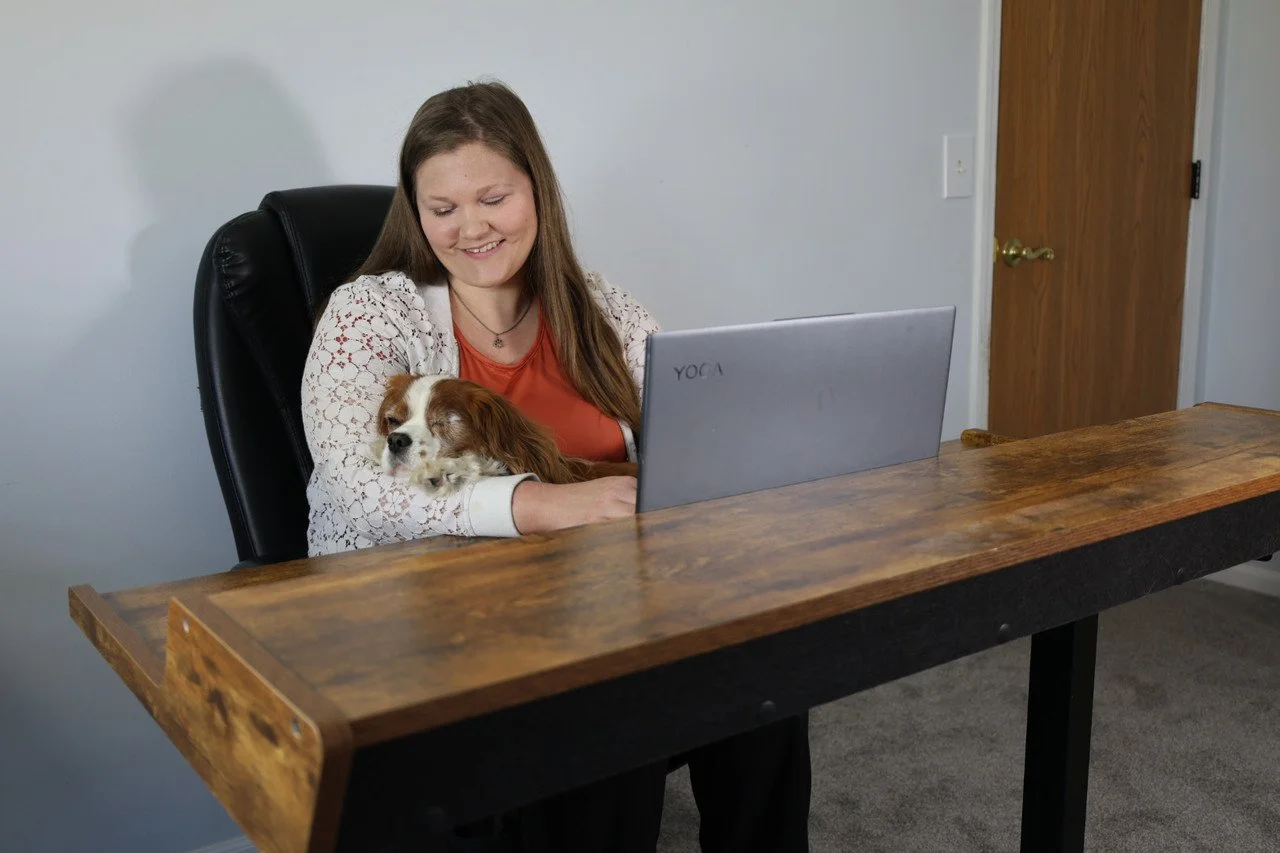
Invest in it.
Therapy extended sessions are available in 2 or 3 hour blocks, at a rate of $175 per hour. These sessions are private pay only and are not billable to insurance. The cost of intensives is financial. But the cost of not doing deeper work?
That can look like:
Spending years second-guessing yourself.
Struggling through another relationship where your needs stay unspoken.
Feeling stuck in old patterns even though you “know better.”
Living with an inner critic so loud you mistake it for truth.
Achieving on the outside, but constantly exhausted inside.
This work asks something of you—but it also gives something back: clarity, confidence, relief, and the ability to move forward feeling more like yourself.
Who benefits most from intensives?
Who benefits most from intensives?
-
EMDR (Eye Movement Desensitization and Reprocessing) is a gentle, evidence-based therapy that helps your brain heal from distressing memories and feelings. During EMDR, you’ll follow gentle, rhythmic eye movements or taps (called bilateral stimulation, or BLS) that can feel like a soft flutter or light tapping. This helps your nervous system safely process difficult emotions without having to relive the pain.
Opening up old memories and experiences can be hard, especially knowing that we may need to reopen them for a few different sessions in order to really uncover the insights that can change your life. The benefit of a longer EMDR session combine the original benefits of EMDR (which include not having to deeply relive each memory because of the work that the brain does for us) and also that we may be able to remember, reprocess, and reflect all in one go.
Many clients have found this to be the one aspect that actually allows them to feel safe enough to trust the process and get the relief you are so deserving to feel.
That's why I recommend extended sessions for our EMDR work together. -
Premarital sessions aren’t just about checklists and future plans — they’re about the deep stuff: values, needs, fears, and how you show up for each other when it really matters. Intensives allow us to bypass the weekly stop-and-start rhythm and get real momentum. With extended time, we can slow down for the big conversations and give them the space they deserve. Whether you're preparing for a long-term commitment, navigating cultural or family differences, or building communication tools that actually work, intensives offer room to grow your connection and strengthen your foundation — together.
-
If you’re seeking support with executive functioning, and want time to understand your internal process and then try out strategies in real time with clinical support (including body doubling) then extended sessions could work really well.
-
Longer sessions give each voice in your relationship system time to be heard. With more people in the room, it’s especially important to have the spaciousness to move at a pace that honors everyone’s experience. These relationships deserve to be met with dignity — not pathologized or rushed — simply because they include more than two people. We can move beyond surface-level check-ins and actually stay with the hard stuff — together — with time to slow down, regulate, and reconnect.
-
who are preparing for medical procedures who would like to complete WPATH assessment and documentation in a more focused, collaborative, and expedited process. We could accomplish months worth of work in just a couple extended sessions.
-
If your schedule makes it hard to commit to weekly appointments but you are ready to make meaningful change in a short period, connecting for extended sessions more infrequently can still offer support.
-
Sometimes couples give feedback that it feels like they are just reacting to the latest argument and then session ends. In longer sessions, we have time to reflect on the work you’ve already done, notice what’s starting to shift, and explore where things still feel stuck. We can track how patterns show up, build new skills together, and practice reflective communication — all without rushing. With more space to breathe, many couples find they can go deeper and feel more supported, making real progress at a pace that helps things feel different, sooner — in whatever direction you’re hoping to grow.
-
If you've recently discovered this part of your story or come across contact information for your donor or genetic relatives, it can feel like time is both speeding up and slowing down. The emotions stirred up can be complex, tender, and deeply personal. You don’t have to sort through it all alone and you don’t have to wait.